Living in Pleiku
Choosing an English centre in Pleiku: what to ask
Before you pay an English centre in Pleiku, know what it must publish: fees, start dates, teachers' qualifications. A checklist to carry to the visit.
By the Xin chào Pleiku editorsRechecked
An English centre must publish its conditions for teaching quality, and the course details: teachers, expected outcomes, start date and fee. A Vietnamese teacher of a foreign language needs at least a teacher-training college degree in the language, or a language college degree plus a teaching certificate.
- Governing rules
- Ministry rules for foreign-language centres from 10 October 2018; one article amended 25 December 2025
- Must be published
- programme, teachers, expected outcomes, start date, fee
- Vietnamese teachers
- teacher-training college degree in the language or higher, or a language college degree plus a teaching certificate
On this page
English centres usually get picked on a friend’s tip, and few families ask what the centre has to publish. The national rules for foreign-language centres give you several things you can ask for on the spot. The checklist of questions to carry on your visit is at the bottom; the sections above explain where each one comes from.
What a foreign-language centre must publish
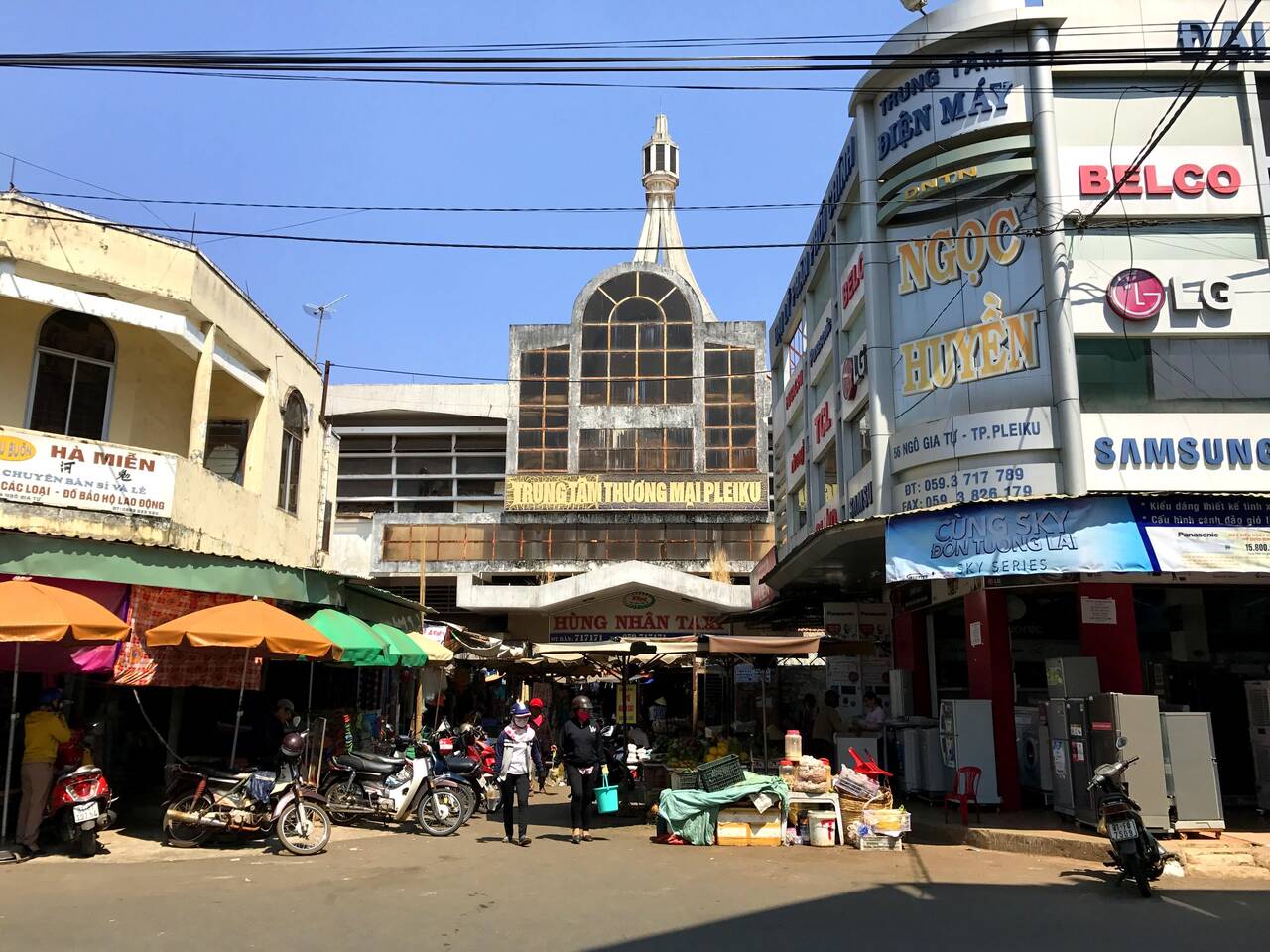
The rules come from the Ministry of Education and Training. They require a centre to publish the conditions that assure teaching quality, and to set and publish the fee for each course. We recommend treating that as your right to ask: if a centre dodges questions about fees or teachers, walk away.
The enrolment rules go further. Every year the centre must publish the course details: programme, teaching materials, expected outcomes, study conditions, teachers, how learners are tested and assessed, how results are confirmed, start date and fee. For a programme outside the national certificate system, the centre runs its own tests and issues a certificate of completion, so do not mistake that paper for a language certificate from a body qualified to issue one. The name on the centre’s founding decision is also used for the seal, the signboard and its paperwork, so compare the sign with the name on your contract.
One small update: one article was amended, replacing “district People’s Committee” with “commune People’s Committee” in the clause on who works with the education department to inspect centres. With districts gone, the local check is done with the commune or ward People’s Committee. Fees, teacher standards and enrolment are not affected, and the provincial education department still manages the centres in its area. The amendment is set to lapse on 1 March 2027 unless another document sets the authority differently.
What qualifications teachers need
The rules set standards by type of teacher. A Vietnamese teacher of a foreign language needs at least a teacher-training college degree in that language, or at least a language college degree plus a teaching certificate. A native-speaker teacher needs at least a college degree and a suitable language-teaching training certificate. A foreign teacher has one more route: a college degree or higher, a language proficiency certificate of level 5 or above on the six-level framework, and a suitable language-teaching training certificate. The head of a centre has a separate standard: a university degree in a foreign language, or a university degree plus a language certificate of at least level 3 on that framework, or the equivalent.
So when a centre advertises “foreign teachers”, ask whether the teacher counts as a native speaker or as a foreign national, and ask to see the matching degree and certificates. Better still, ask about the exact teacher who will take your class, not just the staff in general. Inspections in the old Bình Định province, now part of Gia Lai, show why: one centre had only one full-time teacher, another changed teachers without telling the department, and another put people with insufficient qualifications in front of a class.
Faults inspectors find, and what you can see
Inspectors in the old Bình Định province found many violations, and you do not need to be an inspector to spot most of them. Some centres had no parking for students and had not followed fire safety rules, both visible the moment you arrive for a trial class. Signboards missing required details were also on the list, along with naming a centre against the rules.
The harder faults you ask about aloud: does the centre take more students than allowed, is the director often present, and have the teaching materials been approved by the department. Some centres also moved or enlarged their premises without reporting to the department, so if a centre has just moved, ask for the papers of the new site. These are faults found elsewhere, not a judgement on any centre in Pleiku.
For parents: when the school works with a centre
If your child learns English at school through a centre, the old Bình Định education department required any centre partnering with a kindergarten or primary school to draw up a plan for the director’s approval. It then published a list of centres cleared to partner, and a primary school may partner only when the teachers meet the required standards. This now falls to the Gia Lai education department, so ask the school or the department how it works before you pay for a partnership programme. For starting school, see kindergarten and primary school enrolment in Pleiku.
Learners’ rights and how a class runs
The rules also set out learners’ rights. You are to be respected and treated equally, and given full information about your learning. You may choose a programme, format and place that suit you and the centre, and be helped to switch programme or site if the new one accepts you. You, or a legal representative (a parent, for a child), may comment directly on the content and teaching method. If your child is in the wrong class, ask to switch before thinking of quitting.
Students are placed in classes, each followed by a staff member or teacher, so ask straight away who looks after your class. For a course designed around your needs (for example urgent exam prep), the centre agrees the course details with you and publishes them before the start date; get that agreement in writing. The director is legally responsible for the programme and materials, and must report to the head of the education department which materials are in use, for centres not attached to a university or teacher-training college.
Questions to bring
| Ask the centre | Why you can ask |
|---|---|
| The fee for the course and the start date, in writing | Fees and start dates must be published |
| What degrees and certificates the teacher of this class has | Teacher standards |
| The programme, materials and expected outcomes | Course details must be published |
| What you get at the end: a completion certificate or a language certificate | Certificate of completion |
| Parking, fire safety, a signboard with the required details | Faults found in inspections |
| Whether the materials have been approved by the department | Faults found in inspections |
| Which group a foreign teacher falls in, and which degree and certificates they hold | Teacher standards |
| Who looks after the class, and whether you can switch | Class management and the right to choose a programme |
For more on settling in Pleiku, see Living in Pleiku and cost of living in Pleiku.
Read next
- School enrolment in Pleiku: dates, ages, how to registerLiving in Pleiku
- Cost of living in Pleiku: bills, taxis and school feesLiving in Pleiku
- Moving to Pleiku: your first-month paperworkLiving in Pleiku
- Children's doctors in PleikuLiving in Pleiku
Sources
(6)
- Thông tư số 21/2018/TT-BGDĐT: Ban hành Quy chế tổ chức và hoạt động của trung tâm ngoại ngữ, tin học (trang văn bản)
- Thông tư 21/2018/TT-BGDĐT, toàn văn (bản quét PDF)
- Nhiều trung tâm Ngoại ngữ - Tin học sai phạm (29/11/2024)
- Quản lý chặt hơn trung tâm ngoại ngữ, tin học (30/11/2022)
- Tăng cường quản lý dạy tiếng Anh trong nhà trường (15/10/2023)
- Thông tư 26/2025/TT-BGDĐT ngày 25-12-2025 (bản ký số PDF)
Photos
(2)
Duong Bui · HOÀNG PHÁT CÔNG TY THIẾT KẾ XÂY DỰNG VÀ THƯƠNG MẠI
Spotted an error? Send a correction · How we choose sources