Things to do
What to do in An Khe: 5 stops on the way from Pleiku
What to do in An Khe: Tay Son Thuong Dao historic site, Ho Troi, Quan Am Pagoda, the Roc Tung - Go Da stone-age sites, the road from Pleiku and the best season.
By Vương Nguyễn and teamRechecked
Published · 9 sources ↓
On this page
- Which stops are worth it
- Tay Son Thuong Dao historic complex and museum
- Ho Troi: rapids and falls in the north-east
- Quan Am Pagoda on the hill at the gateway to the highlands
- Roc Tung - Go Da stone-age sites
- Kon Ha Nung: an evergreen forest plateau
- From Pleiku to An Khe: the road and An Khe Pass
- When to go
An Khe sits between An Khe Pass and Mang Yang Pass, so plenty of travellers only know it as a run of bends on Highway 19. Stop here and you get a compact set of places: a special national monument, forest rapids, a pagoda on a hill and stone-age sites more than 800,000 years old. Check the pass before you take the wheel, and if you want more places to choose from, things to do around Pleiku has plenty.
Which stops are worth it
The old An Khe town is now part of the wards of An Binh, An Phu, An Khe and Tay Son in Gia Lai province. Older articles still say “An Khe town”, while maps and road signs may show a ward name, so do not be thrown by either. Ho Troi involves a walk down to the falls, so it deserves its own slot in the day. The museum and the pagoda suit you if you want a short, easy stop.
Tay Son Thuong Dao historic complex and museum
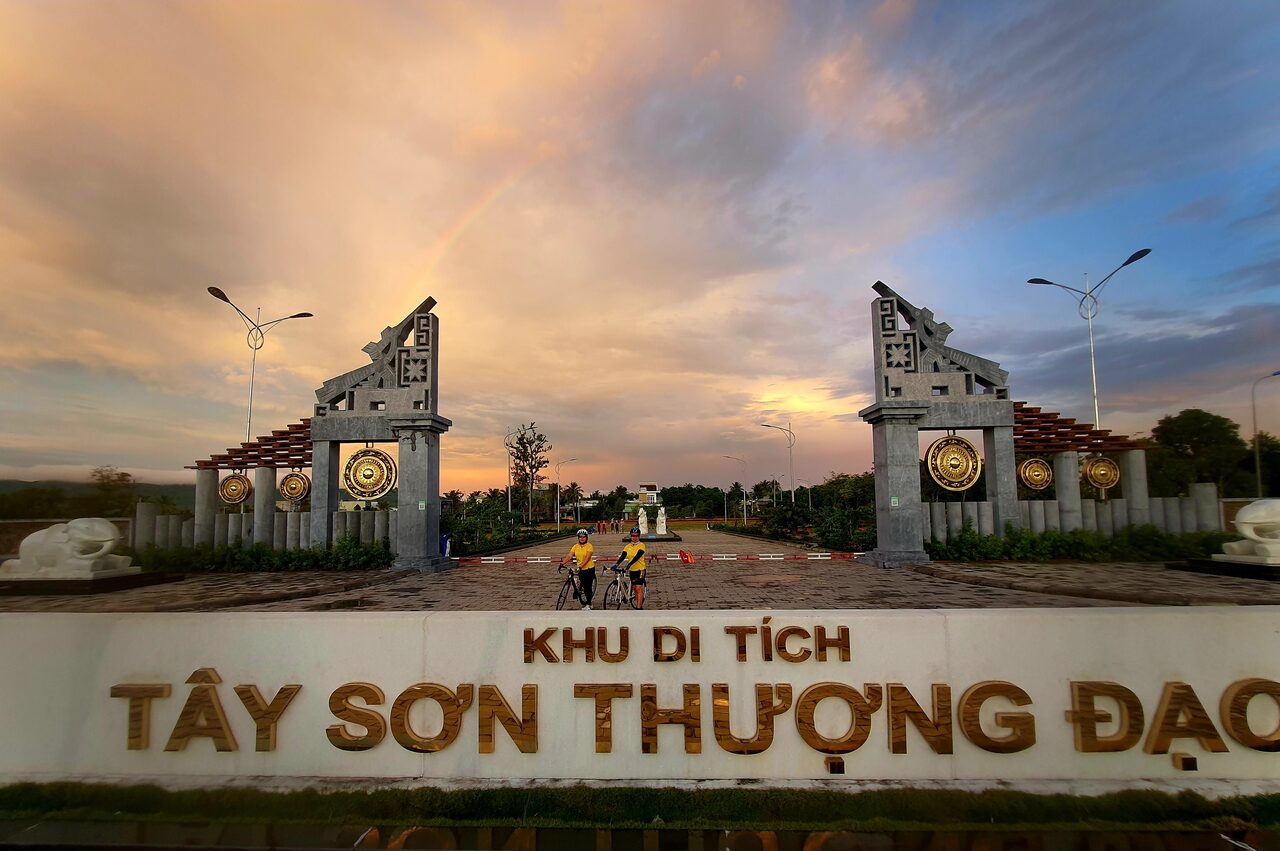
Tay Son Thuong Dao is a special national monument, and the only one in the Central Highlands tied to the Tay Son peasant movement. An Khe and Tay Son Thuong Dao are seen as the cradle of that uprising, so if you want to know why this land appears in Vietnamese history, start here.
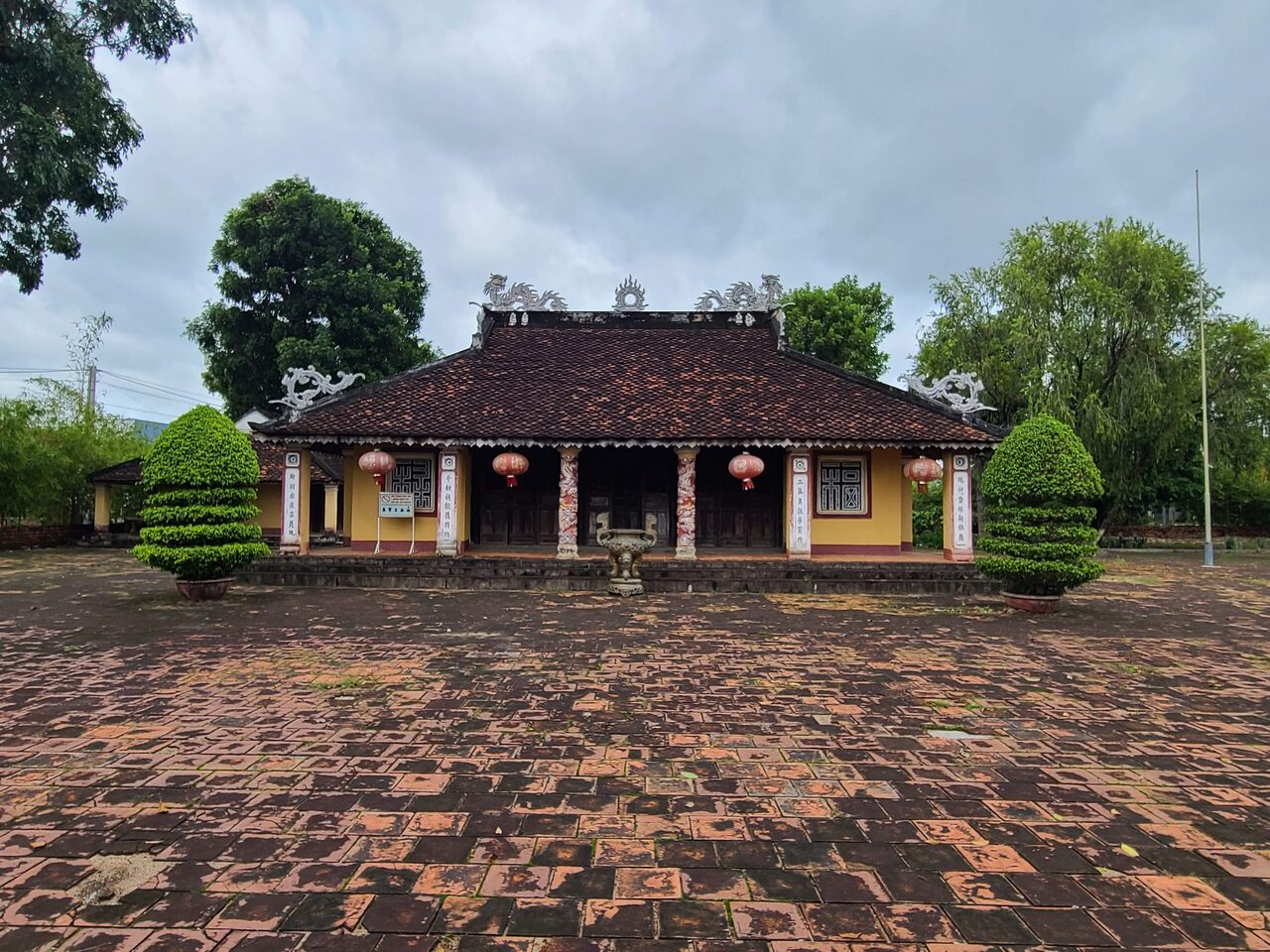
The complex is large rather than a single memorial house, so plan to stroll the grounds and see the museum, not to tick it off in a few minutes. The museum holds more than 4,000 objects, including thousands of stone tools about 800,000 years old. We recommend the museum first and the grounds after: the stone tools help you make sense of the Roc Tung - Go Da section below, and the Tay Son story gives you the background for the rest of the day. The province’s plan is to make the site one of its cultural and spiritual centres.
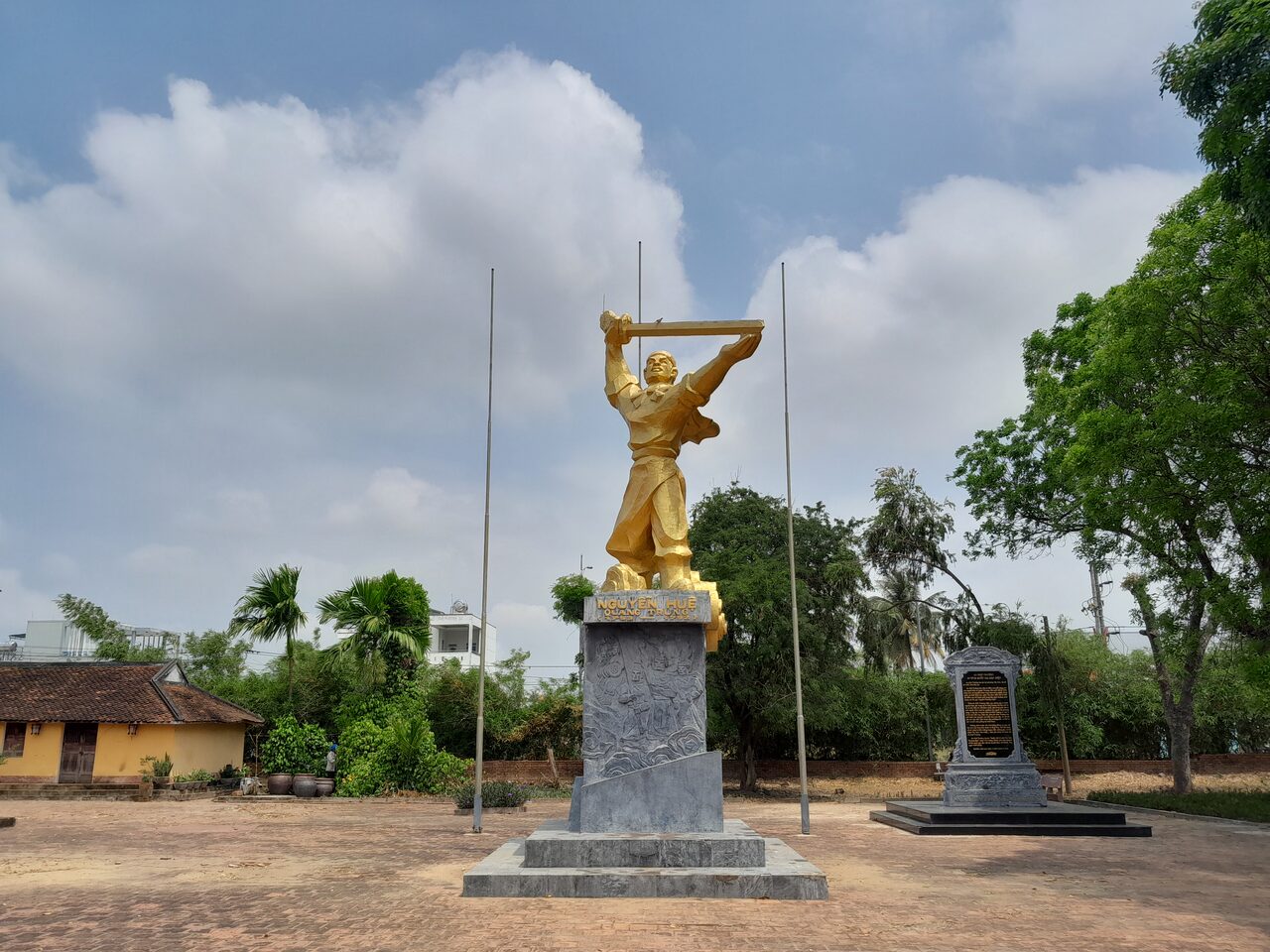
For opening hours and ticket prices, ask the site’s management before you go.
Ho Troi: rapids and falls in the north-east
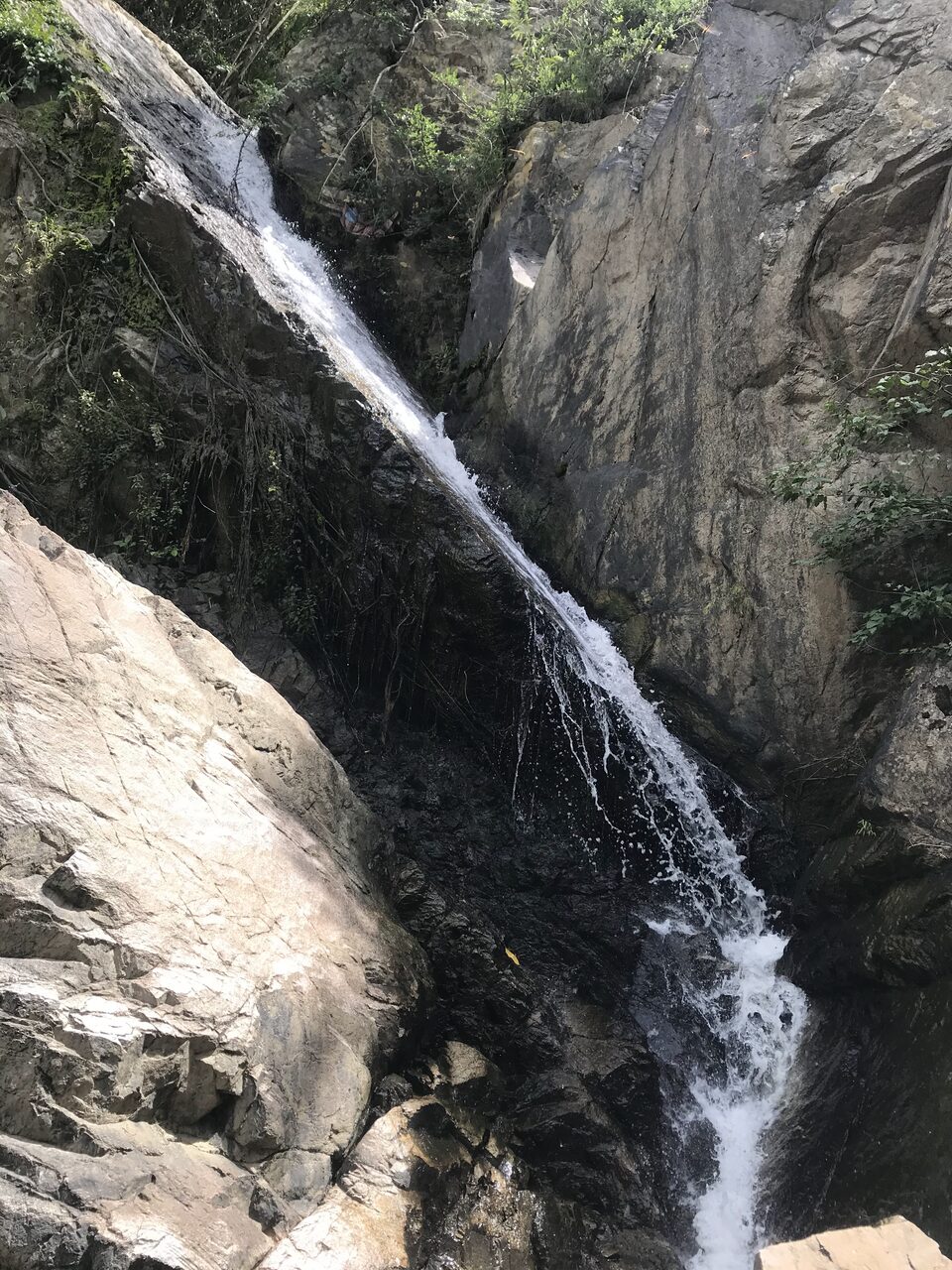
Ho Troi is a cluster of 14 rapids and falls between two gorges, 1.5 to 2 km long, in the north-east of An Khe. The second fall is almost 70 m high, so it suits you if you would rather walk down to the water than look from a road.
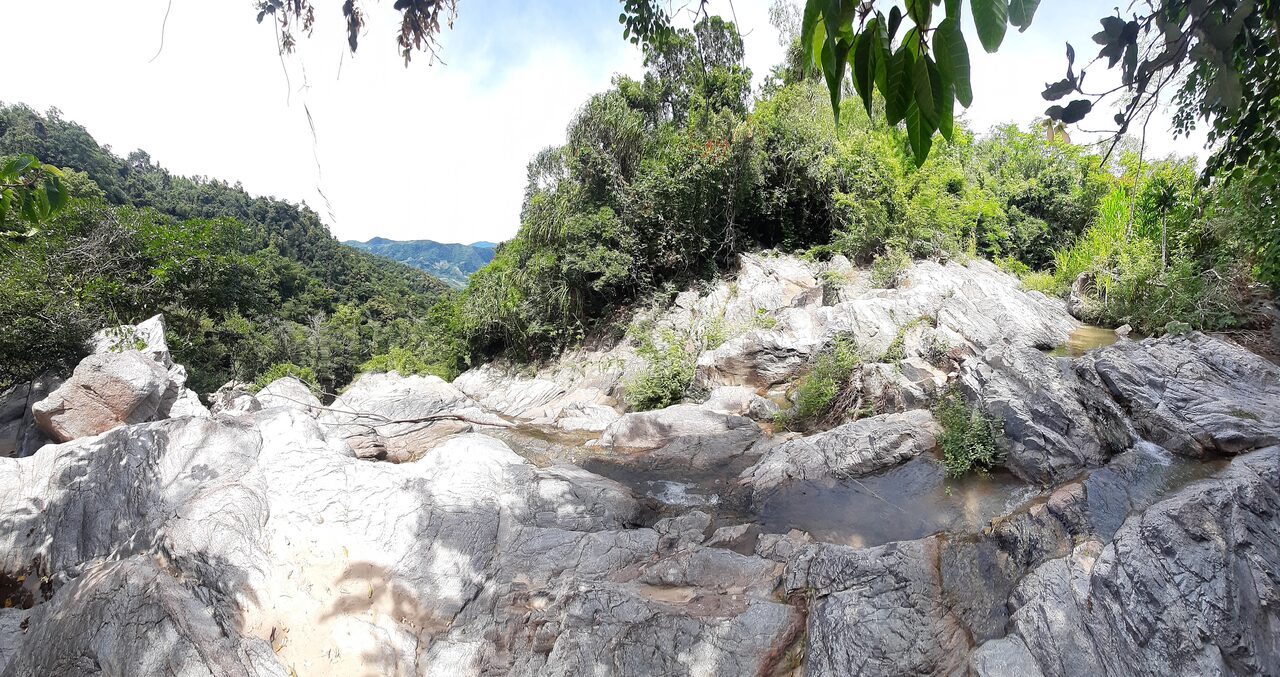
The way in starts at An Thach hamlet (thon An Thach) in the old Xuan An commune, a name from before the administrative merger. From there it is about 15 to 20 minutes on foot down to the foot of the falls, so wear shoes with grip and keep your hands free. Bring food and water, and go with a group or a local guide. We recommend doing exactly that on a first visit: with a guide you will not lose the path, and you will know where to stop.
Ho Troi is also tied to the Tay Son legend. The story goes that nearly 300 years ago the three Tay Son brothers led their troops along Ho Troi up to the highlands to gather forces. Put it in the same day as the historic complex and the two fit together: one is the museum and grounds, the other the forest route the legend talks about.
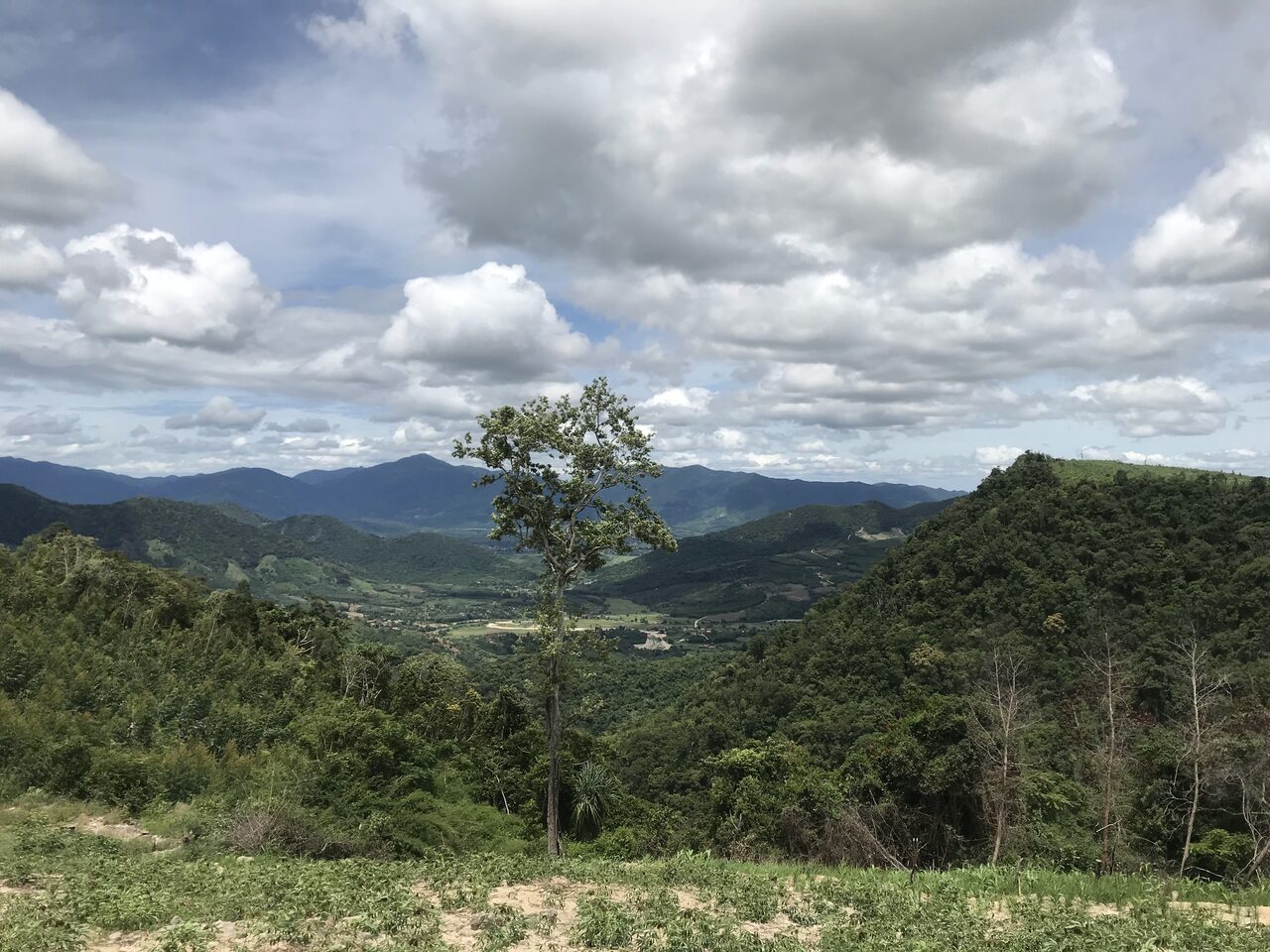
When you ask directions or search a map, say “thon An Thach” and “Ho Troi”, because the Xuan An name is the old one.
Quan Am Pagoda on the hill at the gateway to the highlands
Quan Am Pagoda stands on a hill right at the gateway from the plains up to the Central Highlands. After An Khe Pass you can already spot it on the hillside, so it is a good stop if you are driving Highway 19 and do not want a long detour.
The centrepiece is the jade-green statue of Quan The Am (Avalokiteshvara) on the hilltop, 22 m tall. The pagoda keeps an old story too: according to the abbot, a 1.6 m Quan Am statue was carried down from the highlands to the plains in 1957. The pagoda then went almost 50 years without an abbot, until Venerable Thich Quang Dung was appointed in 2005. Knowing that, you will see a place that has been cared for again, not just a photo spot.
It is a place of worship, so dress modestly and keep your voice low.
Roc Tung - Go Da stone-age sites
The An Khe stone-age sites were found in 2014, and the early Palaeolithic sites at Roc Tung - Go Da date from more than 800,000 to one million years ago. That is what sets An Khe apart from other towns on Highway 19: you are in an area with traces of early humans from a million years back.
The sites are spread across a valley, within more than 3 km of the hydropower reservoir. Surveys and digs at Go Da found more than 20 stone-age locations. Roc Tung 4 is seen as a workshop for a settled community that made stone tools, and its set of hand axes is recognised as a National Treasure. On 29 December 2022 the decision recognising Roc Tung - Go Da as a special national monument was signed.
Because the sites are scattered and archaeological, do not expect a big building to look at. The easiest way to see them is the Tay Son Thuong Dao museum, which shows thousands of stone tools about 800,000 years old. If you want to see the ground itself, ask locals or the museum before you go.
Kon Ha Nung: an evergreen forest plateau
The Kon Ha Nung plateau is a typical evergreen forest ecosystem of the Central Highlands. It is very large, so it is not a half-hour stop like the pagoda or the museum. If you want forest closer to Pleiku, Kon Ka Kinh National Park is easier to fit into a schedule.
From Pleiku to An Khe: the road and An Khe Pass
An Khe is on Highway 19, 90 km from Pleiku and 79 km from Quy Nhon. You can go from Pleiku and be back in town the same day, or stop on the way if you are travelling between Pleiku and Quy Nhon. If you have no vehicle, Pleiku buses and Pleiku to Quy Nhon will help you choose how to get there before you plan an An Khe stop.
The thing to think about is the pass. An Khe Pass is the longest and most dangerous pass on Highway 19 between Quy Nhon and Pleiku. Gia Lai’s construction department warned in 2025 of many landslide-prone spots on the pass, and the stretch from Km62 to Km67 had several landslides after heavy rain in late October 2025. That information is dated, so do not take it as today’s situation: check traffic news and ask the bus company or a local right before you go.
We recommend driving slowly, avoiding the pass in heavy rain or just after it, and not leaving the crossing until late afternoon. If you are fitting An Khe into a longer Pleiku stay, the Pleiku itinerary gives you a day-by-day frame.
When to go
An Khe has a rainy season from June to November and a dry season from December to May. Local press puts Gia Lai’s best tourist season at October to the end of April, and says the dry season’s appeal in the Central Highlands is the range of things to do, from festivals to nature. The two overlap from about December to April, which is the easiest window if you want less rain and the best season together.
An Khe also has a rich calendar of festivals with a character of their own, tied to the Tay Son Thuong Dao area. One date to remember is the Quy Xuan offering ceremony on the 10th day of the second lunar month. To catch it, ask locals about that year’s programme before you go.
If your dates fall in the rainy season, put the museum and the pagoda first, and decide on Ho Troi and the pass only after checking the weather just before the day.
Questions
How far is An Khe from Pleiku?
An Khe is on Highway 19, 90 km from Pleiku and 79 km from Quy Nhon. That makes it an easy stop between Pleiku and Quy Nhon, or a day trip from Pleiku if you pick just a few places.
What is there to do in An Khe?
You can visit the Tay Son Thuong Dao historic complex and its museum, which holds more than 4,000 objects, Ho Troi, a cluster of 14 rapids and falls, Quan Am Pagoda with its 22 m statue, and the Roc Tung - Go Da stone-age sites.
Where is Ho Troi and how long is the walk?
Ho Troi is in the north-east of An Khe. The way in starts at An Thach hamlet (thon An Thach) in the old Xuan An commune, and it takes about 15 to 20 minutes to walk down to the foot of the falls. Bring food and water, and go with a group or a local guide.
Is An Khe Pass dangerous?
An Khe Pass is the longest and most dangerous pass on Highway 19 between Quy Nhon and Pleiku. Gia Lai's construction department warned of many landslide-prone spots in 2025, so check road conditions just before you travel.
When is the best time to visit An Khe?
An Khe has a dry season from December to May and a rainy season from June to November. Local press puts Gia Lai's best tourist season at October to the end of April, so December to April fits both.
Read next
Sources
(9)
- Thị xã An Khê (Wikipedia tiếng Việt) (An Khe town, Vietnamese Wikipedia)
- An Khê (định hướng) (Wikipedia tiếng Việt) (An Khe, disambiguation)
- Bảo tồn Di tích quốc gia đặc biệt duy nhất gắn liền với Phong trào nông dân Tây Sơn ở khu vực Tây Nguyên (Báo Văn hóa) (Preserving the only special national monument tied to the Tay Son peasant movement in the Central Highlands)
- Khám phá Hố Trời vùng Tây Sơn Thượng đạo (Báo Gia Lai) (Exploring Ho Troi in the Tay Son Thuong Dao area)
- Viếng Quan Âm tự (Báo Gia Lai) (Visiting Quan Am Pagoda)
- Xây dựng hồ sơ Khu dự trữ sinh quyển thế giới Cao nguyên Kon Hà Nừng (hồ sơ khoa học) (Dossier for the Kon Ha Nung Plateau World Biosphere Reserve, scientific file)
- Đèo An Khê (Wikipedia tiếng Việt) (An Khe Pass)
- Đảm bảo lưu thông tại điểm sạt lở đèo An Khê (Báo Văn hóa) (Keeping traffic moving at the An Khe Pass landslide site)
- Du lịch Gia Lai vào mùa đẹp nhất trong năm (Báo Gia Lai) (Gia Lai tourism enters its best season of the year)
Photos
(4)
Trung Kim · 이종만 · David Levitch · Trương Minh Trường
Spotted an error? Send a correction · How we choose sources