Things to do
Kon Ka Kinh National Park: a day trip from Pleiku
Kon Ka Kinh is a forest day trip about 50 km from Pleiku: old-growth trees, rare primates, guided walks, the long climb to the summit and who to contact.
By the Xin chào Pleiku editorsRechecked
On this page
Once you have done the sights close to town, Biển Hồ Lake and the volcano, Kon Ka Kinh is a different kind of trip. You come to walk into the forest and listen to birds, not to take one photo and drive back. Below: where it is, the walks, what lives in the forest, and who to call about tickets.
Where the park is
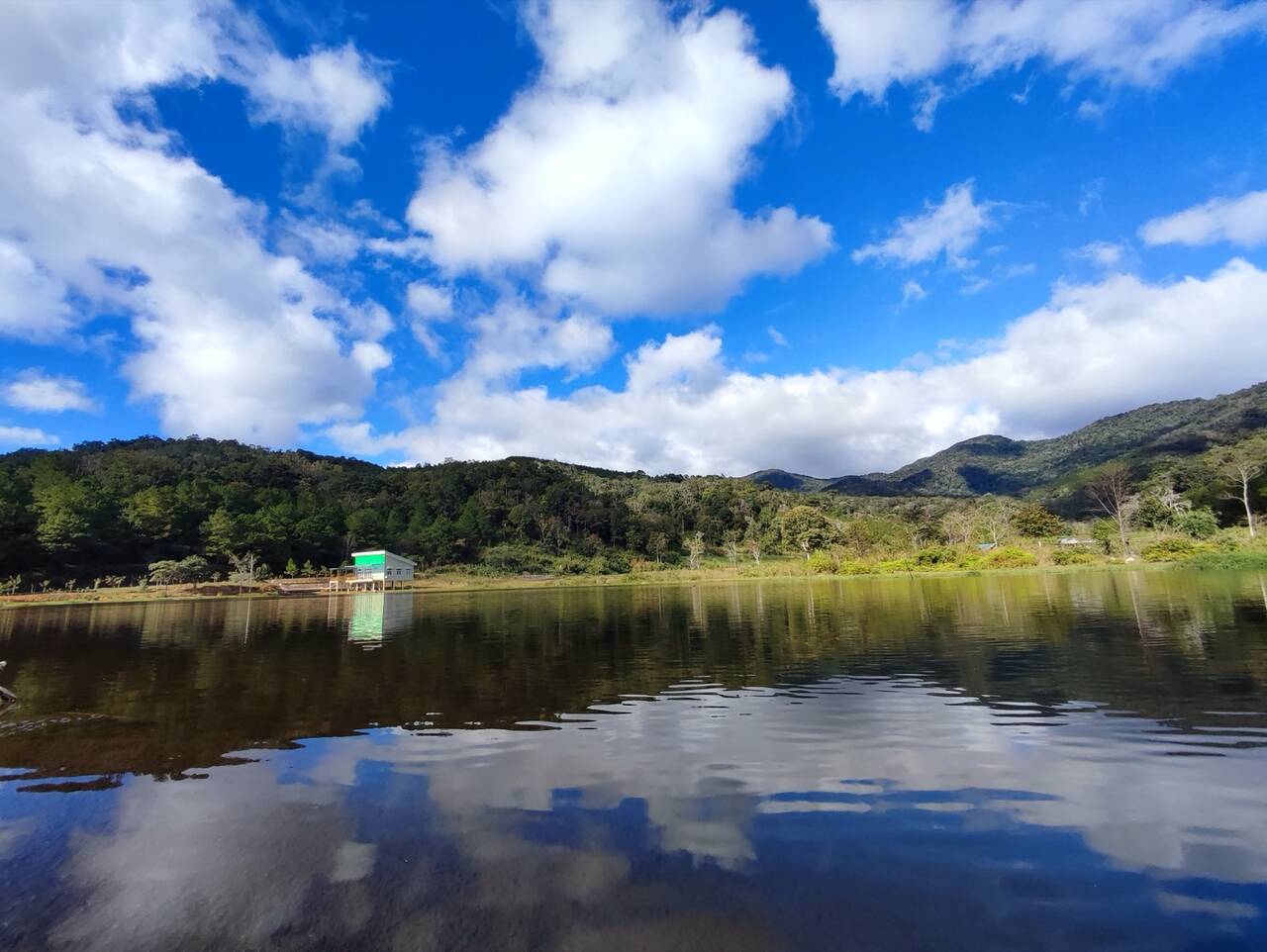
The park sits in the north-east of Gia Lai province, about 50 km from Pleiku ward, so treat the distance as a rough guide. The land climbs from the Ba river valley at 570 m to the 1,748 m summit, and from the top you look out over the roof of the Pleiku plateau.
The area began as a nature reserve and was later upgraded to a national park. It became an ASEAN Heritage Park in 2003, and in 2021 UNESCO recognised the Kon Hà Nừng Plateau Biosphere Reserve, with Kon Ka Kinh as one of its two core zones.
Getting there from Pleiku
Take Highway 19 out of Pleiku. A taxi for 50 km is not like a ride across town, so fix the car and the return trip in advance. The park’s management board is headquartered in Ayun commune; contact it first if you want to go into the forest with park staff.
The route to the summit starts from the Kbang side: the shortest stretch begins at forest ranger station number five in Đak Rong commune, and Hà Đừng 1 village is where the trek up the mountain begins. Pick your route first, then sort out transport and a bed.
Old-growth forest and wildlife
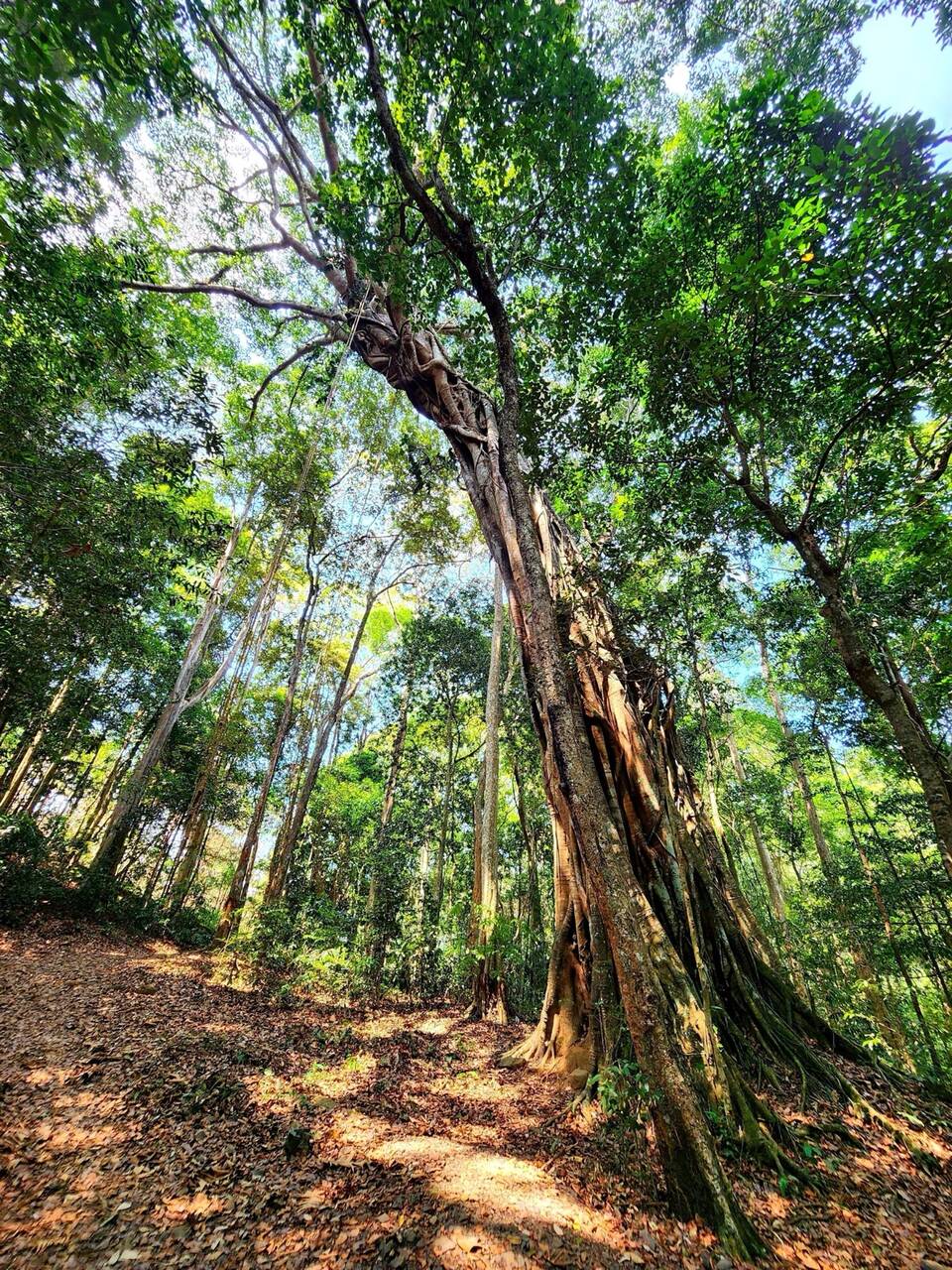
The forest is the reason to come. It has the only mixed forest in Vietnam where broadleaf and conifer trees grow together, with rare trees such as pơ-mu, trắc, chò đãi and kim giao. Many rare plants listed in the Vietnamese and world red books grow here.
Among animals, the park is home to the grey-shanked douc langur, a primate found only in Vietnam, and one of the most beautiful primates in the world. A partial count lists 42 mammal species and 160 bird species. The bird that stands for the park is the Kon Ka Kinh (chestnut-eared) laughingthrush. If you would like to see deer, wild boar and monkeys up close, the park has a rescue and breeding centre.
There are also 209 butterfly species, and the area counts as one of 63 Important Bird Areas in Vietnam. Don’t count on meeting any of it on a short visit.
Walking into the forest
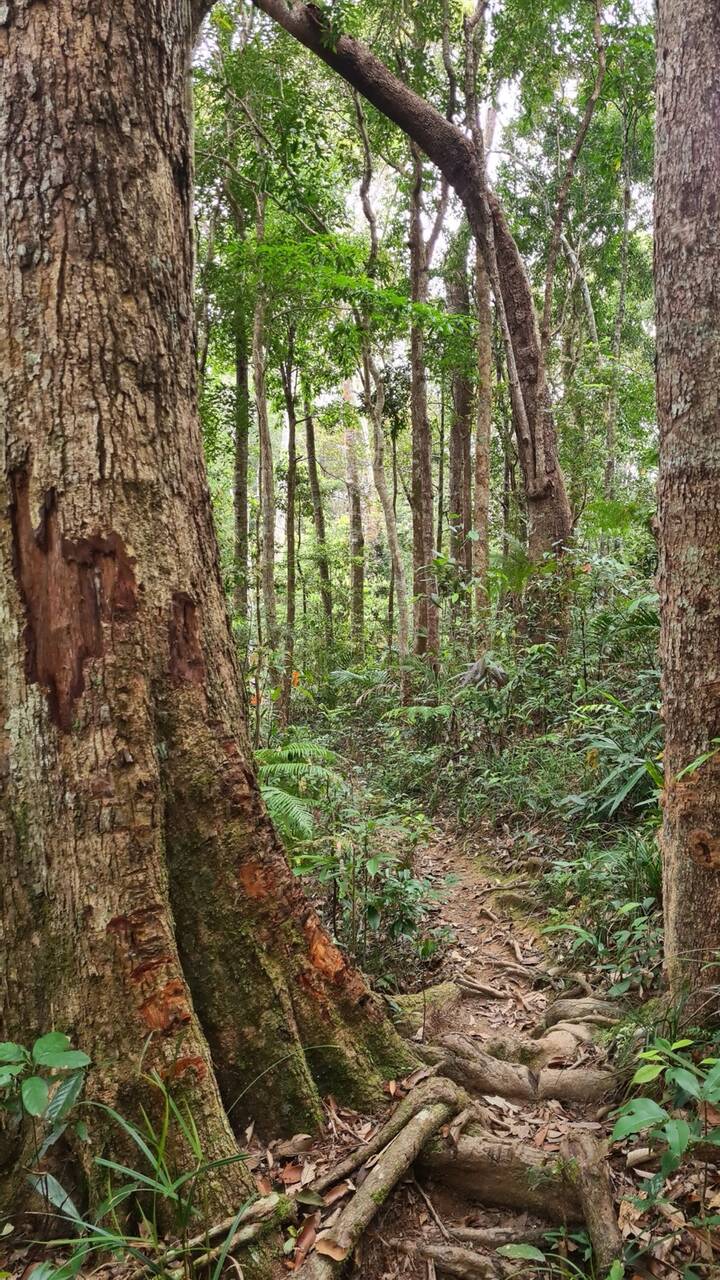
Walking is the main activity. From the headquarters an easy start is about an hour into the forest along a wildlife-monitoring trail. Paths climb past 700 m into old-growth forest, and keen trekkers can take the mountain routes. There is also a four-day, three-night nature tour.
The summit is no forest stroll. It takes about 10 hours of trekking, and by 1,200 m it is already midday; you go with a park ranger and two Bahnar porters, locals paid to protect the forest who sometimes guide visitors for extra income. The top has no shady old trees, just dense bamboo thick with moss. We recommend not trying it alone: ask the management board to arrange a guide, and keep your energy for the whole day.
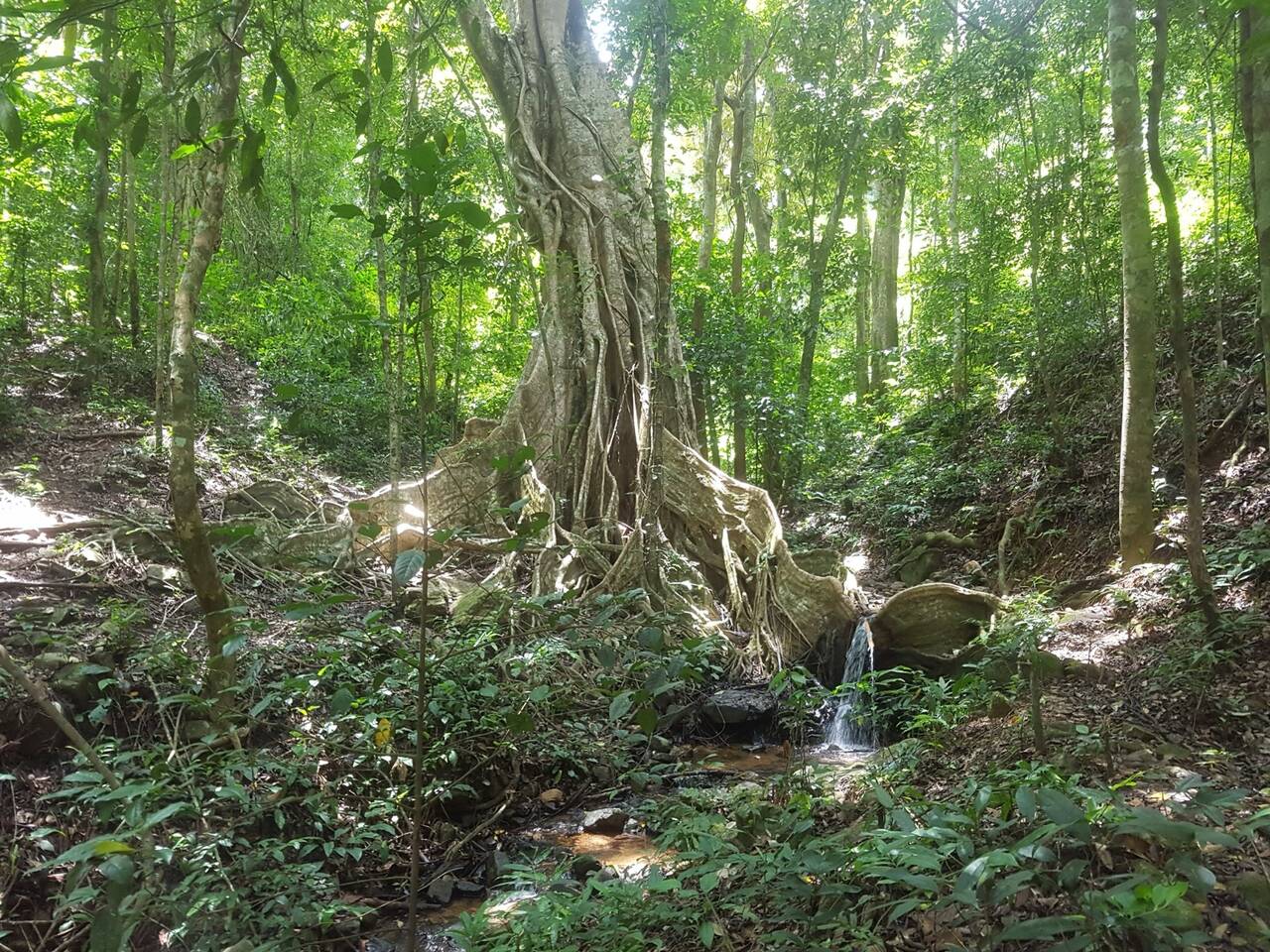
For something lighter, take a guided walk where the guide explains the forest as you go. Stop at the thousand-year-old banyans with their huge roots above ground. The park also has an animal specimen room with thousands of samples. K50 waterfall is where the province and the park are focusing tourism, and six banyan trees in the park are recognised as Vietnam Heritage Trees.
When to go
The end of the dry season is the easiest time. In March the Central Highlands are dry, yet the summit stays as green as spring, and the heavy heat fades as soon as you step into the forest. The forest also carries orange, purple, pink, red and white flowers and new shoots, and villagers around the park collect honey.
The forest is colder and damper than town. Past 8 am the mountain can still be wrapped in thick fog, and the deeper you go, the cooler it gets, so bring a light jacket and shoes with good grip. In other seasons, ask the management board which routes are open before you set out.
It also works for a family weekend away: pick a short walk and bring water.
Tickets, hours and who to contact
The province has recognised Kon Ka Kinh National Park as a tourist site, and the park director is responsible for running and developing it. Gia Lai has also approved a plan for eco-tourism at Kon Ka Kinh and Kon Chư Răng, allowing investment tied to conservation, and the hope is that it will bring a living to people in the buffer zone. Around the park are Central Highlands villages where Bahnar culture and gong festivals are still kept alive.
There is no published price or opening time to quote here. Contact the Konkakinh National Park Management Board in Ayun commune before your day and ask about ticket prices, entry hours, whether you must register, and the road in from Pleiku. Ask too whether a guide is free for the walk you have in mind, and about the multi-day tour if you want to stay overnight.
Combine it with other places near Pleiku
It takes half a day or more, so give it a day of its own rather than squeezing it into a Biển Hồ route. For other weekend outings, see Phú Cường waterfall and other falls near Pleiku, Chư Đăng Ya volcano and the ideas for a weekend near Pleiku. If you are planning several days, the Pleiku itinerary gives you a ready frame, and everything else to see is under Things to do.
For more reading, the tourism authority’s page on the park and the document on enlarging the park are good starting points.
Sources
(11)
- Khám phá vườn quốc gia Kon Ka Kinh ở Gia Lai
- Sáp nhập 3 đơn vị, Vườn quốc gia Kon Ka Kinh thành 'siêu ban'
- Vườn quốc gia Kon Ka Kinh - Wikipedia tiếng Việt
- Mở rộng quy mô Vườn Quốc gia Konkakinh
- “Báu vật xanh” Kon Ka Kinh chính thức trở thành điểm du lịch
- Vườn Quốc gia Kon Ka Kinh (Sổ tay đa dạng sinh học Việt Nam)
- Kon Ka Kinh National Park (ASEAN Clearing House Mechanism)
- Chinh phục đỉnh Kon Ka Kinh
- Học sinh trải nghiệm Vườn Quốc gia Kon Ka Kinh: Những bài học giá trị
- Tháng 3 về Vườn Quốc gia Kon Ka Kinh
- Vườn Quốc gia Konkakinh chính thức trở thành điểm du lịch
Photos
(4)
Vương Lê Văn · Toi Nguyen · eddy sobieraj · Nguyen Hong Thien
Spotted an error? Send a correction · How we choose sources