Things to do
War sites in Pleiku: prison, museum and Plei Me
Visit Pleiku Prison and Pleiku Museum in the city, then plan Plei Me and Ia Drăng as a separate trip. Locations, hours and a dated timeline of 1965.
By the Xin chào Pleiku editorsRechecked
Pleiku Prison is in the city, about 300 m south of the Gia Lai Provincial Post Office, and Pleiku Museum is at 21 Trần Hưng Đạo. The Plei Me victory site in Ia Pia commune, a national monument since 2009, is out of town, so plan it as a separate trip.
- Pleiku Prison
- Thống Nhất street, Diên Hồng ward; national monument since 12 December 1994
- Pleiku Museum
- 21 Trần Hưng Đạo, Pleiku ward; closed Mondays
- Plei Me
- Tân Thủy hamlet, Ia Pia commune; national monument since 2009
- Ia Drăng
- battlefield listed as a provincial historic site in 2024
If your Pleiku plan is only Biển Hồ Lake and coffee, you will miss a thick layer of the region’s memory. Three places are open to ordinary visitors: a prison right in the city, a museum in the centre, and the Plei Me battle site out of town. This page is meant for Vietnamese and foreign visitors alike, including veterans and their families, so we keep to what can be checked and say plainly where the two sides tell it differently.
Which one first
With only a few hours in town, start with Pleiku Prison: it is in town, and you can reach it by car, motorbike or on foot. Pleiku Museum comes second, when you have time for its history exhibitions.
Plei Me is a separate trip. The old Plei Me camp is outside the city, so plan it as its own outing rather than a stop on the way.
In the city
Pleiku Prison (Nhà lao Pleiku)
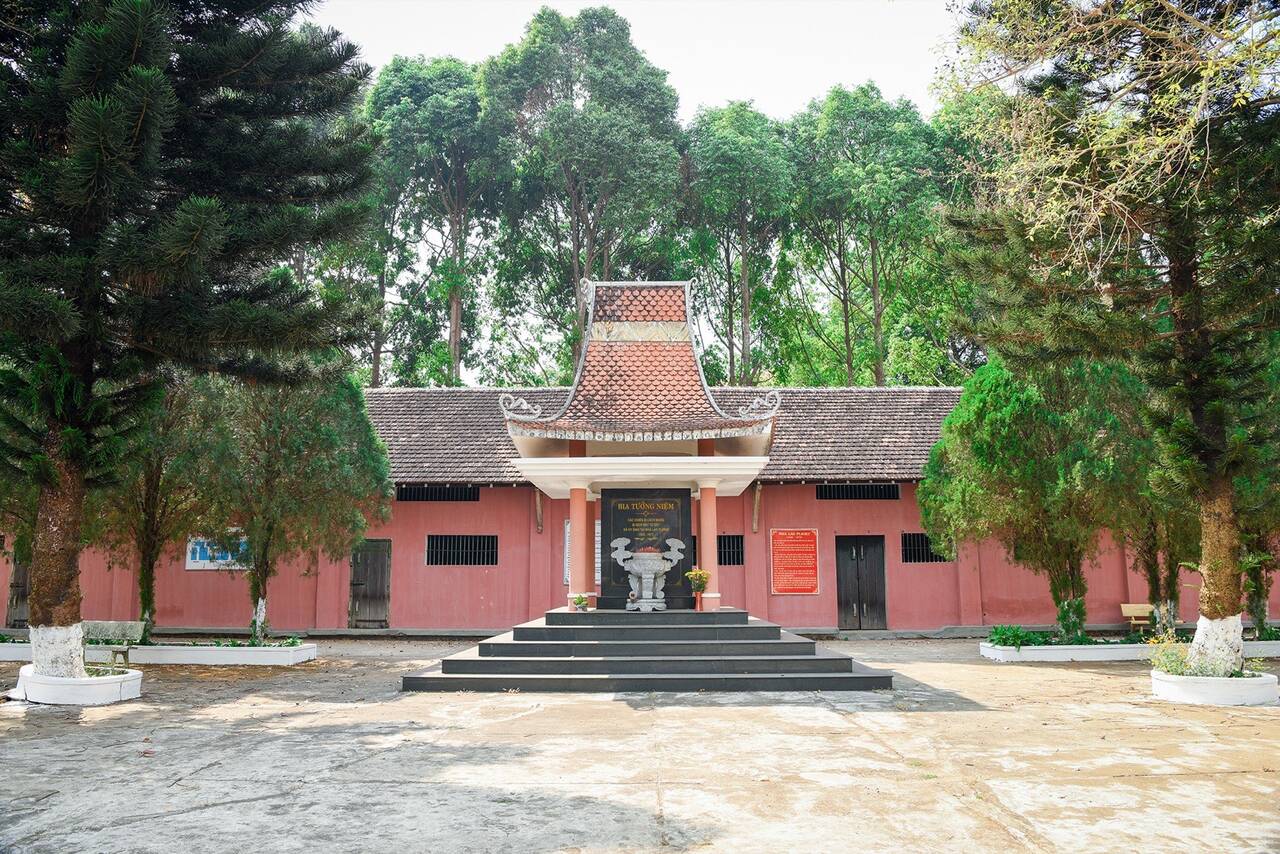
The French built the prison in 1925 to hold ordinary convicts, mostly from ethnic minorities, and rebuilt it more solidly in 1941. Later it also held political prisoners, under the French and then under the Americans, before 1975. At the end of 1956 it passed to the southern government and stayed in use. On the afternoon of 15 March 1975 the political prisoners rose up and left the prison. It became a national historic site on 12 December 1994, and today the Diên Hồng ward authorities look after it as a place where students learn local history.
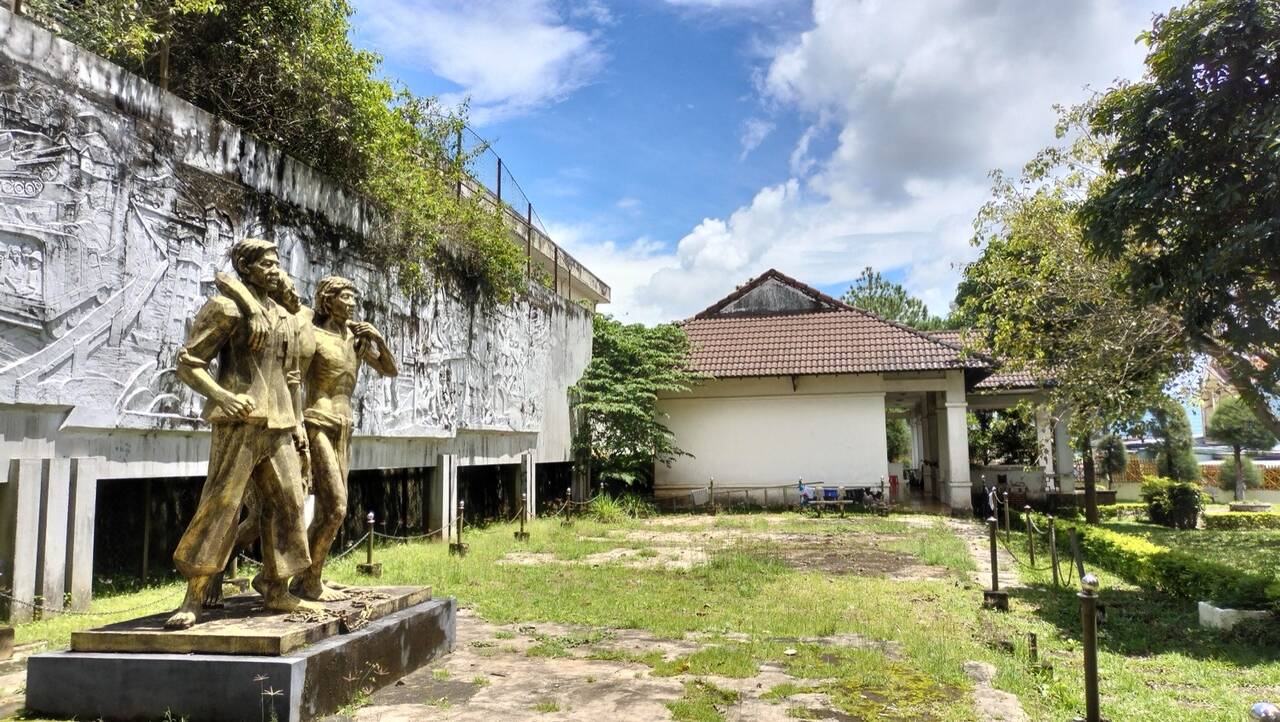
Two events explain why it was kept. During the 1968 Tết offensive, political prisoners broke out but 46 were shot dead; afterwards the prison held up to 800 political prisoners. Youth and party groups have also come here to meet former prisoners and hear their stories, so this is a good stop if you are with students or older relatives who want the history told.
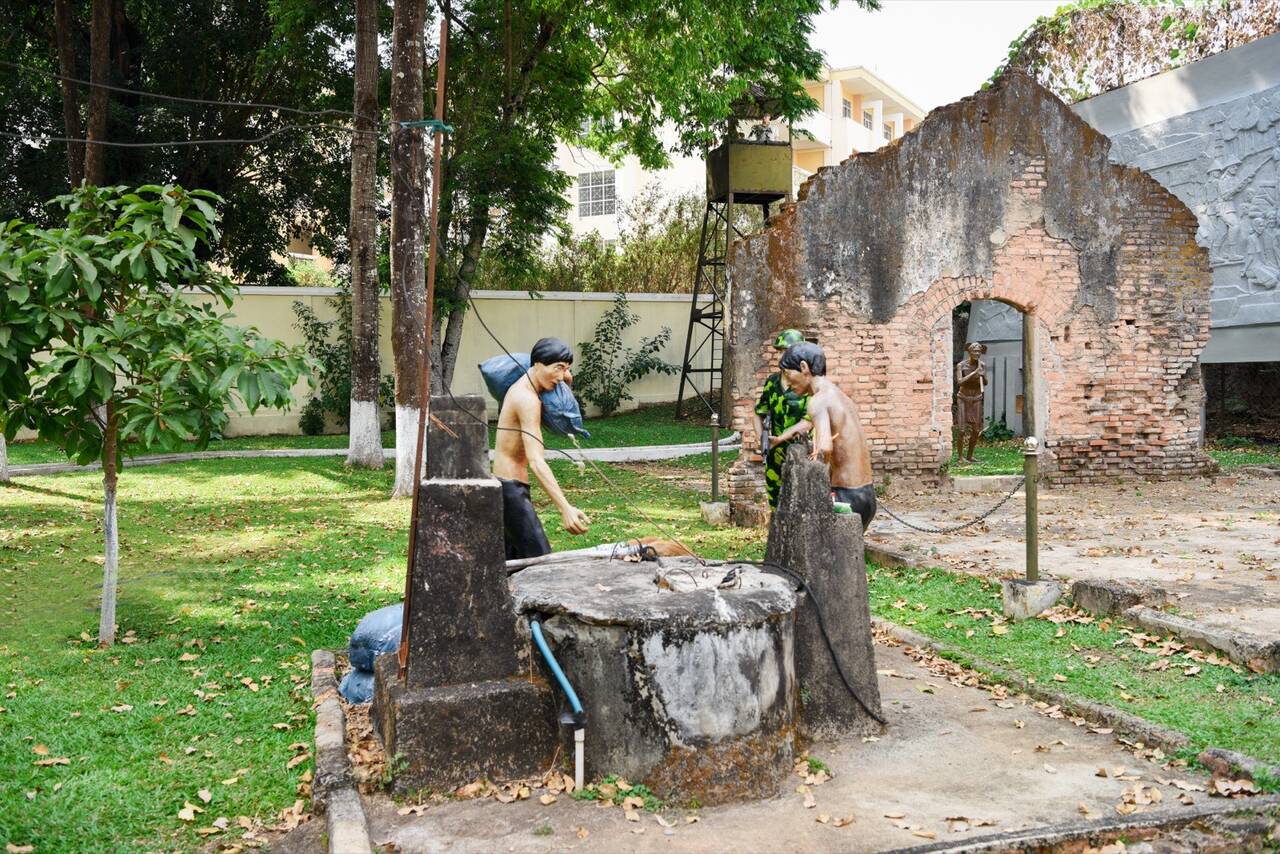
What you see today are the remains: the main cell block of five rooms. Rooms 1 and 2 held political prisoners and room 3 held ordinary convicts, while room 4 held convicts and army deserters. Room 5 was for the political prisoners considered most dangerous; it is 50 m2 with 2 rows of 8 cells, each with a wooden platform 1.6 m wide and 2 m long, and 2 of the cells are only about 0.5 m wide. In the grounds there is a memorial stele, a well used by the prisoners and a recreated scene of forced labour. It is open to Vietnamese and foreign visitors alike.
The prison is on Thống Nhất street, Diên Hồng ward, which a phone map lists as 64 Hùng Vương. Same place. If the pin points you wrong, search “Di tích lịch sử Nhà lao Pleiku” and look for the spot about 300 m south of the Gia Lai Provincial Post Office.
Pleiku Museum (Bảo tàng Pleiku)
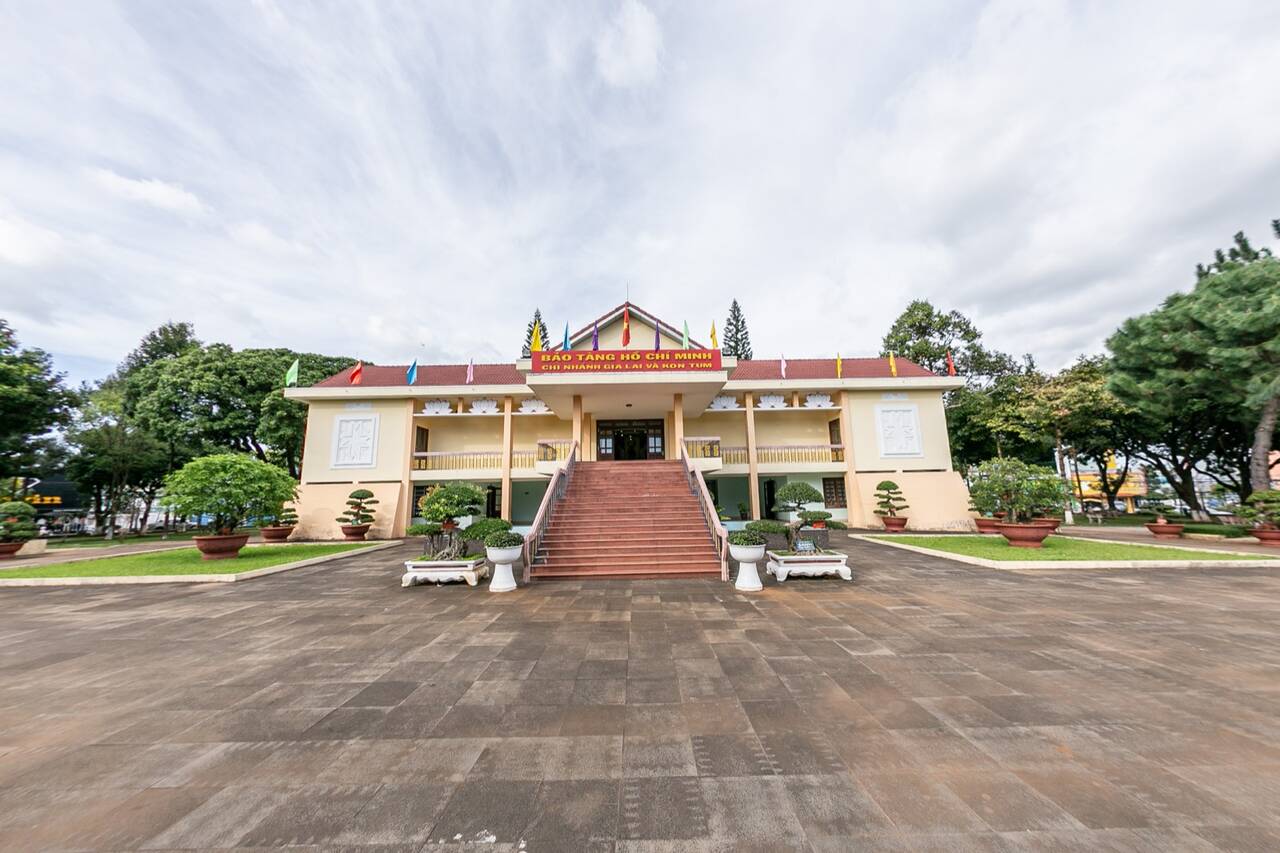
Pleiku Museum (the Gia Lai Provincial Museum) is at 21 Trần Hưng Đạo, Pleiku ward. It is closed on Mondays and opens from 7:30 am on other days.
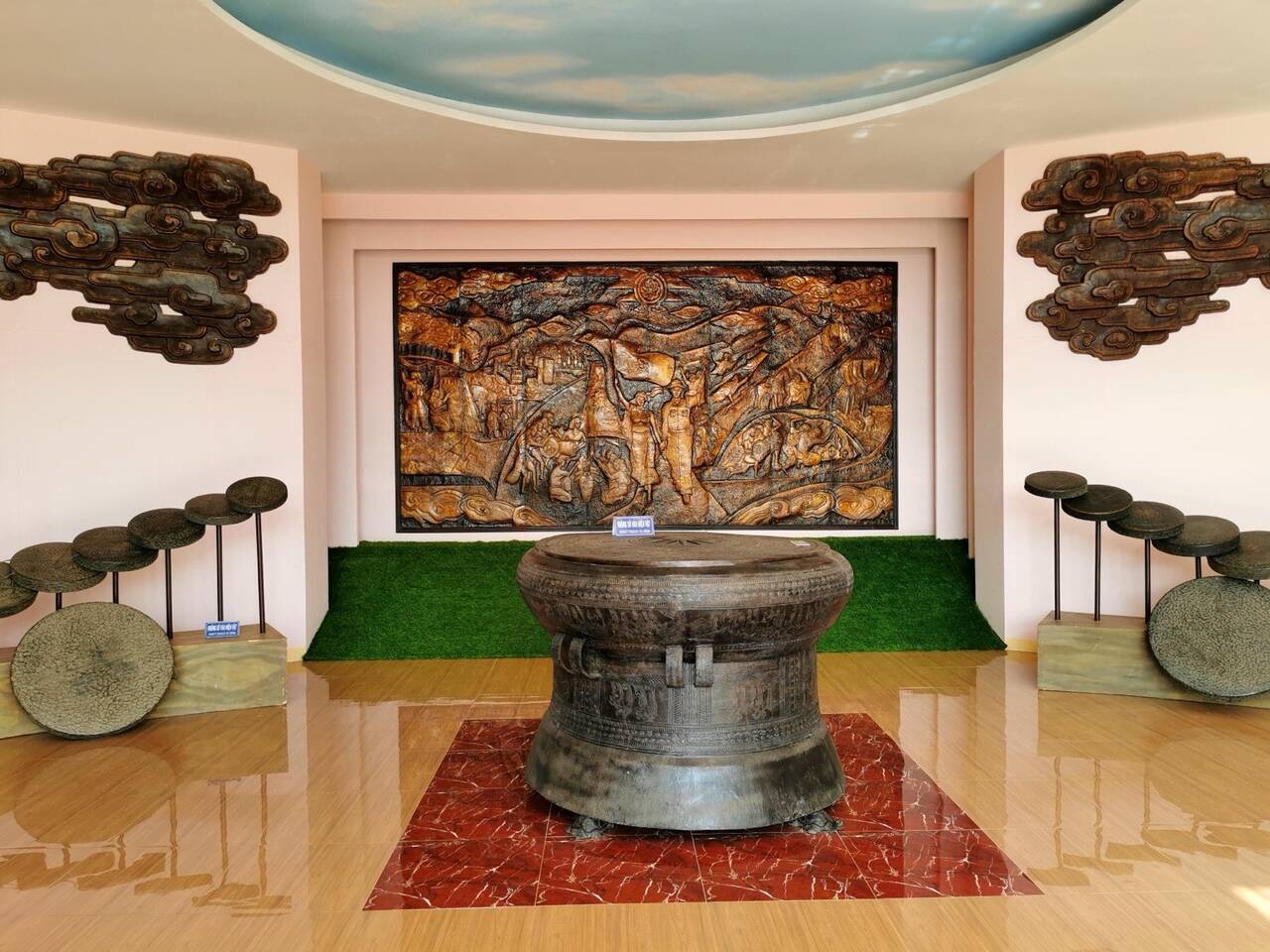
The history side is mostly rotating exhibitions. One covers the first ten years after reunification, 1976 to 1986, with more than 220 photos, documents and objects. Another show, with more than 150 photos, documents and objects in 4 parts, ran from 25 August to 25 September 2026. Because exhibitions change, what you see depends on the day, so do not come for one specific show.
Out of town
Plei Me and Ia Drăng
The Plei Me campaign ran for 38 days and nights in 1965, in two battles: at the Plei Me camp and in the Ia Drăng valley. The camp was set up by US Special Forces and attacked first on Chư Ho hill; Ia Drăng, south-west of Pleiku, was one of the first big battles between US and South Vietnamese forces and the South Vietnamese National Liberation Army. Each side claimed victory, so reading material from both sides you will find the same battle told with two different endings. The table below has the dates.
Today the Plei Me victory site, in Tân Thủy hamlet, Ia Pia commune, has been a national monument since 2009. The monument was once placed in Ia Ga commune in the old Chư Prông district, with an area of about 11.5 ha that has been marked out. The Ia Drăng battlefield was listed as a provincial historic site in 2024. In the valley now you will see coffee hills and pepper gardens. On 18 November 2025 Ia Pia commune held a flower and incense ceremony for the 60th anniversary of the Plei Me victory.
For veterans and their families it carries more meaning: in October 1993, Lieutenant General Harold G. Moore, who had commanded a battalion of the US 1st Cavalry Division, met General Nguyễn Hữu An, who led the Plei Me campaign, when he came back to the old battlefield. It is still a place where veterans and later generations from both sides come to remember and reconcile.
A cultural-historic route links Bàu Cạn commune, Bak 1 hamlet, strongpoint 771, the Plei Me site and the Ia Drăng valley. Treat the whole route as one long day out of town rather than a quick stop.
The campaign by date
The two sides remember the same campaign with different details. Rows marked “Vietnamese account” follow Vietnamese newspapers; the row marked “English-language sources” follows outside material.
| Date | What happened |
|---|---|
| Early October 1965 | The B3 Front (Central Highlands) command decides to open a campaign in the Plei Me, Bàu Cạn, Đức Cơ, Ia Drăng quadrangle |
| 10:55 pm, 19 October 1965 | First shots at Chư Ho hill and Plei Me camp |
| After that, Vietnamese account | The relief column is wiped out by the 320th Regiment after 10 hours of fighting; that defeat leads the US to send the 1st Cavalry Division to Ia Drăng |
| Dusk on 25 October | South Vietnamese troops reach Plei Me camp, according to English-language sources |
| 14 to 18 November 1965 | Battle of Ia Drăng |
| 17 November 1965 | Fighting at LZ Albany, where a US battalion was ambushed at close quarters, so air and artillery support could not be used |
| 26 November 1965 | Campaign ends |
What you will find at Plei Me today
Go expecting an open-air memorial rather than a site with an exhibition hall. The Plei Me area covers about 11.5 ha and is marked out, but it has no detailed plan, and visitors mostly come on their own or with a few small groups. Before you go, ask the Ia Pia commune office (Tân Thủy hamlet) about the entrance and whether someone looks after the site.
The Ia Drăng valley now belongs to Ia Púch commune, while the Plei Me site is in Ia Pia commune; they are different communes, so check your destination on the map. For the 60th anniversary, the province also held a scientific seminar, “60 years of the Plei Me campaign victory”, on 18 and 19 November 2025.
Fitting the three into your trip
With two days in Pleiku, give one morning to the city: Pleiku Prison, then Pleiku Museum, since both are in town. Keep the rest of the day, or the next day, for Plei Me. Pleiku itineraries shows how to combine this with Biển Hồ Lake and the Chư Đăng Ya volcano, and weekend trips near Pleiku gathers the places outside the city. More sights are under Things to do.
Questions
What is Pleiku Prison and where is it?
It is a prison the French built in 1925, on Thống Nhất street, Diên Hồng ward, about 300 m south of the Gia Lai Provincial Post Office. It held political prisoners under the French and the Americans, before 1975.
Is Pleiku Prison a national monument?
Yes, it was recognised as a national historic site on 12 December 1994.
How far is Plei Me from Pleiku?
Plei Me is out of town, to the south; check the route on your phone map before you set off. The victory site is now in Tân Thủy hamlet, Ia Pia commune.
Is the Ia Drăng valley a protected site?
Yes, the Ia Drăng battlefield was listed as a provincial historic site in 2024.
Which day is Pleiku Museum closed?
Mondays; on other days it opens from 7:30 am.
Read next
- Pleiku Adventures Homestay and Pleiku BalconyThings to do
- Pleiku in 1, 2 or 3 daysThings to do
- Biển Hồ Lake (T'Nưng) near PleikuThings to do
- Biển Hồ tea hills: pines, pagoda and how to get thereThings to do
Sources
(14)
- Di tích lịch sử Nhà lao Pleiku
- Nhà tù Pleiku - Điểm đến
- Ghé thăm khu di tích nhà lao Pleiku - chứng tích hào hùng trong lịch sử dân tộc
- Di tích lịch sử Nhà lao Pleiku (dữ liệu địa điểm)
- Hơn 150 tư liệu, hiện vật trưng bày tại triển lãm “Miền Nam nhớ mãi ơn Người”
- Gia Lai: Triển lãm “Bao cấp - Một thời để nhớ”
- Bảo tàng tỉnh Gia Lai (dữ liệu địa điểm)
- Plei Me - Tráng ca bất tử nơi đại ngàn
- Di tích lịch sử Chiến thắng Plei Me: "Gạch nối" huyền thoại
- Ký ức Ia Drang và tâm nguyện của những người lính
- Battle of Ia Drang - Wikipedia
- Siege of Plei Me - Wikipedia
- Pleiku - Rough Guides
- Lễ dâng hoa, dâng hương kỷ niệm 60 năm Chiến thắng Plei Me (1965–2025)
Photos
(4)
Hero Xạ Điêu · Hoài Nguyễn · Quoc Nguyen · Mai Thuy
Spotted an error? Send a correction · How we choose sources